Screw Machining vs CNC Machining Which is Right for Your Project
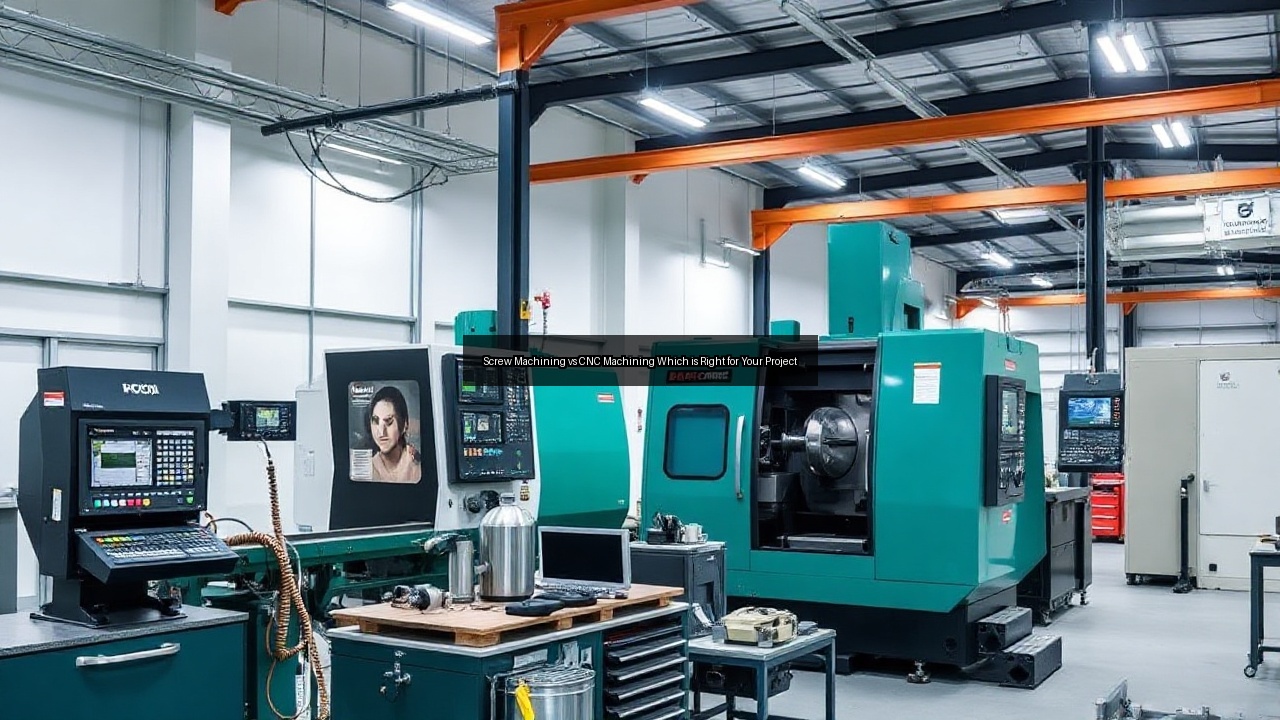
Understanding Machining Methods
Overview of Machining
Machining represents a crucial process in manufacturing that involves removing material from a workpiece to achieve desired shapes and dimensions. This process employs various techniques, including turning, milling, drilling, and grinding, using specialized tools and machines. Machining services adapt to different materials such as metals, plastics, and composites, allowing for a wide range of applications. Precision is vital in machining, and adherence to standards like ISO 9001 ensures that the products meet high-quality requirements. Whether producing intricate components for the aerospace sector or simple parts for everyday use, machining stands as a cornerstone of modern manufacturing.
What is CNC Machining?
CNC machining, short for Computer Numerical Control machining, automates the machining process through the use of computer programs. This technology enables the execution of complex designs with high precision and repeatability. CNC machines, including lathes and mills, translate CAD (Computer-Aided Design) models into physical parts by controlling the movements of cutting tools with remarkable accuracy. CNC machining services cater to various industries, producing components from materials like stainless steel, aluminum, and plastics such as nylon and PTFE. This automation enhances efficiency, reduces the likelihood of human error, and allows for fast production cycles, making it a preferred choice for high-volume manufacturing.
Introduction to Screw Machining
Screw machining, specifically Swiss screw machining, excels in producing small, intricate parts with tight tolerances and high precision. This method uses a specialized machine known as a screw machine, which employs a rotating spindle and a series of cutting tools to shape materials into finished components. Screw machined parts often include pins, fittings, and fasteners, and are commonly made from materials such as copper, acetal, and stainless steel. The ability to achieve complex geometries while maintaining efficiency makes screw machining an ideal choice for high-volume production runs. Companies like McCormick Industries specialize in Swiss machining services, providing tailored solutions for various manufacturing needs.
Comparative Analysis: Screw Machining vs CNC Machining
Efficiency and Speed
Efficiency and speed significantly influence the choice between screw machining and CNC machining. Screw machining typically outperforms CNC machining in production speed, particularly for small, highly detailed parts. The design of screw machines allows for continuous production, making them ideal for high-volume runs. In contrast, CNC machining offers flexibility, allowing for quick changes in design and setup, but often requires longer cycle times for complex parts. Therefore, for projects demanding rapid throughput with consistent quality, screw machining presents a compelling advantage. On the other hand, CNC machining excels in applications requiring varied and intricate designs, making it versatile across different manufacturing scenarios.
Precision and Accuracy
Precision and accuracy are non-negotiable in machining, particularly in industries like aerospace and medical devices. CNC machining provides exceptional precision, capable of achieving tolerances as tight as a few microns. This capability stems from its computerized control system, which minimizes human error and ensures repeatability across production runs. Screw machining also offers high precision, particularly suited for small parts with intricate features. While both methods deliver excellent accuracy, the choice often depends on the specific tolerances required for a project. For instance, aerospace components may demand CNC machining's heightened precision, while high-volume production of simple parts may benefit from screw machining's efficiency.
Material Versatility
Material versatility distinguishes the capabilities of screw machining and CNC machining. CNC machines handle a broad spectrum of materials, from metals like stainless steel and aluminum to various plastics, including Teflon and nylon. This flexibility enables CNC machining services to cater to diverse industries and applications. Conversely, screw machining specializes in producing parts from specific materials, often focusing on bar stock, which is conducive to high-speed production. Materials such as copper and acetal are commonly machined using screw machines, enhancing the production of small, precise components. Ultimately, the choice of machining method hinges on the material requirements of the project and the desired characteristics of the final product.
Applications and Use Cases
Aerospace Industry
The aerospace industry demands the highest standards of precision and reliability. Components like turbine blades, fittings, and structural parts require meticulous attention to detail and adherence to stringent tolerances. CNC machining services excel in this sector, allowing for intricate designs and complex geometries crucial for performance and safety. Aerospace applications often require materials that combine strength and lightweight properties, such as titanium and aluminum. Additionally, screw machining plays a vital role in producing small, high-precision components like fasteners and pins that are integral to aircraft assembly. Both machining methods provide essential solutions tailored to meet the unique demands of the aerospace industry.
Medical Devices
Medical devices require high precision, reliability, and compliance with strict regulations. CNC machining serves this industry exceptionally well, producing components such as surgical instruments, implants, and diagnostic equipment. The ability to work with biocompatible materials and achieve tight tolerances is crucial in medical applications, where failure is not an option. Screw machining also finds its niche in medical device manufacturing, providing small, complex parts like screws and connectors. The combination of both machining methods allows manufacturers to develop innovative solutions while ensuring quality and safety in the production of life-saving devices.
Automotive Components
The automotive industry relies heavily on both CNC and screw machining to produce a vast array of components, from engine parts to interior fittings. CNC machining services provide the flexibility needed for producing complex shapes and custom components, which are critical in today's automotive designs. Additionally, screw machining offers efficiency in mass-producing small, precise parts like bolts and brackets, essential for vehicle assembly. As the industry shifts towards electric and autonomous vehicles, the demand for high-quality machined parts continues to grow, making both machining methodologies vital in meeting production needs. The collaboration between these methods ensures that manufacturers can meet the evolving demands of the automotive market.
Choosing the Right Method for Your Project
Factors to Consider
Selecting the right machining method involves evaluating several critical factors. Understanding the specific requirements of your project, including design complexity, material selection, and production volume, guides the decision-making process. CNC machining offers versatility for intricate designs, while screw machining provides speed and efficiency for high-volume runs. Additionally, consider the tolerances and surface finishes needed for your components. The ability to meet ISO 9001 standards ensures that the chosen method aligns with industry quality requirements. Assessing these factors thoroughly will lead to an informed choice that aligns with project goals.
Volume and Production Needs
Volume and production needs play a decisive role in determining the appropriate machining method. For high-volume production, screw machining often proves more efficient due to its ability to produce parts continuously without significant downtime. Conversely, CNC machining shines in scenarios where lower volumes of complex parts are needed, allowing for rapid reconfiguration and flexibility in design. Balancing the cost-effectiveness of production with the desired output volume is essential. For projects requiring a quick turnaround with precise tolerances, CNC machining is advantageous, while screw machining may be the go-to for bulk orders of simpler components.
Logistics Management and JIT
Effective logistics management and just-in-time (JIT) manufacturing strategies influence the choice between screw machining and CNC machining. JIT emphasizes minimizing inventory and reducing waste by aligning production schedules closely with demand. CNC machining accommodates JIT principles well, allowing for quick adjustments to production schedules and designs. In contrast, screw machining can produce large quantities of parts rapidly, making it suitable for projects where lead times are critical. Companies should evaluate their inventory management strategies and production timelines to ensure that the selected machining method aligns with their logistical requirements and enhances overall efficiency.