The Future of Automation in Workholding Fixtures for Metalworking
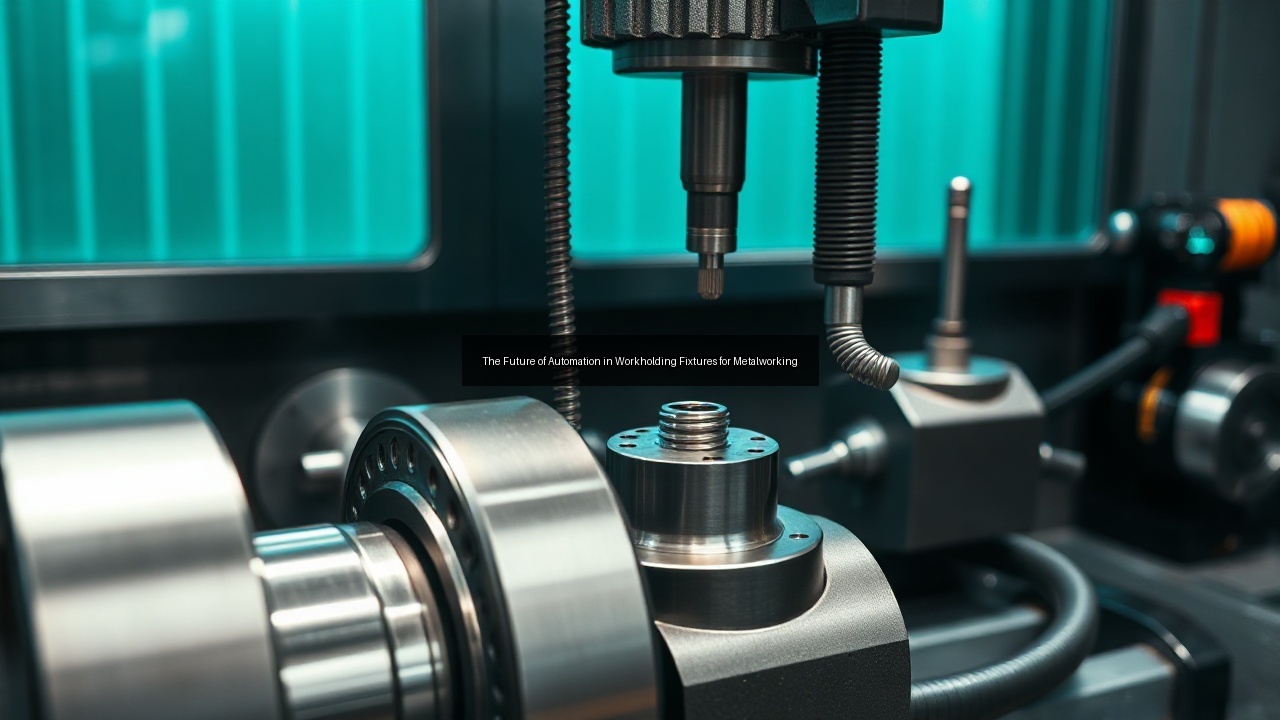
The Evolution of Workholding Fixtures in Metalworking
Historical Overview of Workholding Solutions
Workholding fixtures have been essential in metalworking for centuries, evolving from simple clamps to sophisticated systems that enhance machining accuracy and efficiency. Initially, craftsmen relied on rudimentary jigs and fixtures made from wood and metal to hold workpieces during manual machining processes. These early solutions lacked flexibility and precision. However, as technology advanced, so did the complexity of workholding solutions. The introduction of CNC machining revolutionized the landscape, allowing for more intricate designs and consistent production. Modern fixtures now integrate advanced materials and precise engineering to secure components effectively, paving the way for faster and more accurate machining in various industries.
Advancements in CNC Machining Technology
The rise of CNC (Computer Numerical Control) machining technology marked a significant turning point for workholding fixtures. CNC machines offer unparalleled precision and repeatability, which necessitated the development of equally advanced workholding systems. Innovators began designing fixtures that not only held workpieces securely but also aligned them perfectly for machining operations. This evolution included the incorporation of modular fixtures that adapt to various workpieces and machining processes, enhancing flexibility in manufacturing. As CNC technology continues to advance, workholding fixtures have become more sophisticated, integrating smart features that monitor force and positioning, thereby increasing overall efficiency in metalworking operations.
The Role of Automation in Fixture Design
Automation plays a crucial role in the design and functionality of modern workholding fixtures. Automated systems streamline the setup process, significantly reducing downtime between machining cycles. Advanced software allows engineers to design fixtures that can be quickly adjusted or reconfigured for different parts, optimizing the manufacturing workflow. Automation reduces human error and enhances accuracy, ensuring that components are held securely during machining processes. Additionally, automated fixtures can incorporate sensors that provide real-time feedback on positioning and force, enhancing operational control. This integration of automation not only improves productivity but also supports the growing demand for high-quality, precision-engineered components in competitive markets.
Modern Automation Techniques in Workholding Fixtures
Integration of Hydraulic and Vacuum Systems
Hydraulic and vacuum systems have transformed workholding fixtures, providing powerful and adaptable solutions for securing workpieces during machining. Hydraulic fixtures utilize pressurized fluid to create clamping force, allowing for secure holding of heavy or irregularly shaped components. This technology is particularly beneficial in high-volume production environments where speed and reliability are paramount. On the other hand, vacuum workholding systems use suction to secure flat or lightweight parts, making them ideal for milling and drilling applications. The combination of these systems in modern workholding fixtures enhances versatility, making it easier to accommodate a wide range of workpieces and machining techniques, ultimately boosting manufacturing efficiency.
Utilizing 3D Printing in Fixture Production
3D printing, through techniques like Fused Deposition Modeling (FDM) and Selective Laser Sintering (SLS), has revolutionized the production of workholding fixtures. Manufacturers can quickly create custom jigs and fixtures tailored to specific machining tasks. This rapid prototyping capability reduces lead time and allows for design iterations without significant investment. 3D-printed fixtures can be lightweight yet durable, optimizing the machining process while minimizing material waste. Furthermore, the ability to produce complex geometries not achievable through traditional machining methods enables engineers to innovate workholding solutions that enhance accuracy and efficiency. Incorporating 3D printing into fixture production represents a significant leap forward in the capabilities of workholding systems.
Automating Workflows with CNC Machine Tools
CNC machine tools are at the forefront of automation in metalworking, and their integration with advanced workholding fixtures has transformed manufacturing workflows. Automated workflows enable seamless transitions between operations, reducing manual intervention and enhancing consistency in production. By connecting workholding fixtures with CNC machines, manufacturers can achieve higher levels of automation, allowing for unattended machining and increased output. This synergy between automation and CNC technology maximizes efficiency, reduces cycle times, and ensures that parts are machined to precise specifications. As automation continues to evolve, the relationship between CNC machine tools and workholding fixtures will become even more integral to optimizing manufacturing processes.
Impact of Workholding Fixtures on Manufacturing Efficiency
Speed and Accuracy in Metalworking Processes
The impact of workholding fixtures on manufacturing efficiency is profound, particularly concerning speed and accuracy. Efficient workholding solutions minimize setup times and ensure that workpieces remain securely in place during machining. This stability directly translates to improved accuracy, as even minor shifts can lead to significant defects in precision-engineered components. With the right fixtures in place, CNC machining processes can operate at higher speeds without sacrificing quality. This effectiveness is particularly crucial in industries like aerospace, where tolerances are tight, and the stakes are high. As manufacturers seek to enhance throughput while maintaining accuracy, investing in advanced workholding fixtures becomes a strategic imperative.
Cost Considerations for Automated Workholding
Investing in automated workholding fixtures may initially seem costly, but the long-term benefits often outweigh the expenses. Automated systems reduce labor costs by minimizing the need for manual intervention in the setup and adjustment of fixtures. Moreover, these fixtures enhance machining speed and accuracy, leading to reduced material waste and lower rework rates. As production volumes increase, the return on investment becomes evident. Manufacturers can also leverage pricing models that accommodate varying production needs, allowing for flexibility in budgeting. By weighing the upfront costs against the potential for increased efficiency and reduced operational expenses, businesses can make informed decisions about their workholding solutions.
Enhancing Workflow in Aerospace Manufacturing
Aerospace manufacturing demands the highest levels of precision and reliability. Workholding fixtures tailored for this industry play a vital role in ensuring that components meet stringent safety and performance standards. Automated workholding solutions enable manufacturers to maintain consistent quality while optimizing workflow efficiency. By integrating advanced fixtures with CNC machines, aerospace manufacturers can achieve streamlined processes that reduce cycle times and improve output. The ability to quickly switch between different workpieces using modular fixtures further enhances flexibility in production. As the aerospace sector continues to grow, investing in robust workholding solutions will be essential for maintaining competitiveness and meeting the demands of this high-stakes industry.
Future Trends in Workholding Fixtures and Automation
Emerging Technologies in Fixture Design
The future of workholding fixtures lies in the continuous evolution of design technologies. Innovations like AI-driven design software will enable engineers to create fixtures that optimize clamping force and reduce setup times. Enhanced simulation tools will allow for virtual testing of fixtures before physical production, ensuring optimal performance. Additionally, advancements in materials science will lead to the development of lighter, stronger, and more durable fixtures that can withstand the rigors of modern machining. As manufacturers embrace these emerging technologies, workholding fixtures will evolve into highly sophisticated systems capable of addressing the challenges of an increasingly complex manufacturing landscape.
Sustainability and Environmental Considerations
Sustainability is a growing concern in manufacturing, and workholding fixtures are no exception. The future will see an increased focus on eco-friendly materials and processes in fixture design and production. Manufacturers will prioritize using recyclable and biodegradable materials, reducing waste in the fabrication process. Furthermore, energy-efficient automated systems will help minimize the carbon footprint associated with manufacturing operations. As companies strive to meet environmental regulations and consumer expectations, integrating sustainability into workholding solutions will become a competitive advantage. This shift not only supports the planet but also enhances brand reputation and marketability.
The Future of Tooling and Fabrication Processes
The future of tooling and fabrication processes will be deeply intertwined with advancements in workholding fixtures. As industries demand higher precision and faster production speeds, fixtures will evolve to accommodate these needs. Innovations such as adaptive workholding systems that can automatically adjust to different workpieces will become commonplace. The integration of IoT technology will enable real-time monitoring and data collection, allowing for smarter, more responsive manufacturing processes. As the landscape of metalworking continues to change, manufacturers must remain agile, adopting new technologies that enhance the performance and versatility of workholding fixtures, ultimately leading to a more efficient and effective manufacturing ecosystem.
See Also
- The Importance of Accurate Workholding Fixtures in High-Volume Production
- The Intersection of Workholding Technology and Manufacturing Efficiency
- Cost-Effective Automation Strategies Using Hydraulic and Vacuum Fixtures
- The Evolution of Workholding: From Traditional Jigs to Modern Solutions
- Innovative Workholding Tools to Boost Your Fabrication Workflow